Zone the shelves by height
Every shelf has a job based on how easy it is to reach. The band between your shoulders and your waist is prime space — give it to the ingredients you use every week. For a taco-focused kitchen, that might be masa harina, tinned beans, chopped tomatoes, chipotles in adobo, rice and cooking oil.
Above head height is backstock: unopened refills, the spare bag of flour, serving platters you only need for parties. Below waist height is for heavy, bulky items — big bottles, bags of onions and potatoes in ventilated baskets, the slow cooker. That way you never lift a heavy item over your head in a tight space.
Choose containers that show their contents
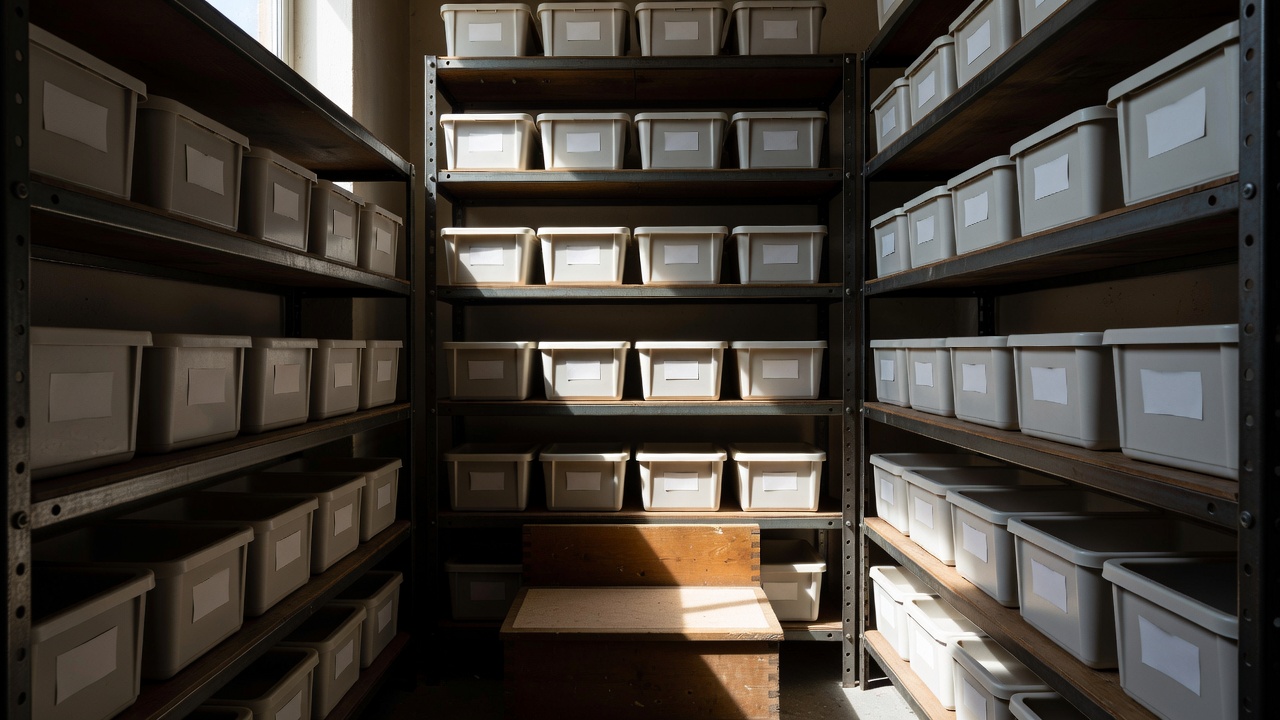
Clear containers turn your pantry into a dashboard. Square or rectangular shapes sit flush against each other and the back wall, using depth that round jars waste. Pick two or three sizes from the same range so lids are interchangeable and stacks stay stable.
Container inventory example
Decanting is optional. Tins, jars and bottles are already stackable and labelled; leave them in their packaging. Decant only loose dry goods that would otherwise sit in floppy, half-rolled bags.
Label for speed, not decoration
Put labels on the front at the same height across a shelf, written large enough to read from a step back. Include the best-before date on the base or back if you decant, so you do not lose that information. Shelf-edge labels — a strip naming each slot — help everyone in the household put things back where they belong.
Use bins as drawers
Deep cupboards swallow small items. Open-fronted bins solve this: pull the bin out like a drawer, take what you need and slide it back. Group by meal rather than food type where it helps. A "taco night" bin might hold chipotles, a jar of pickled jalapeños, a packet of taco shells and dried chillies. On cooking night, that bin goes straight to the counter.
| Problem | Quick fix | Why it works |
|---|---|---|
| Lost items at the back | Pull-out bins or a turntable | Brings the back to the front |
| Wasted height | Shelf risers or under-shelf baskets | Splits one tall gap into two |
| Duplicate buys | Clear containers plus a list on the door | Stock is visible before you shop |
| Narrow cupboard | Single-row square containers | No item hides behind another |
Rotate with first in, first out
Food-service kitchens use first in, first out (FIFO) rotation to cut waste, and it works at home too. When you unpack shopping, move older stock forward and slide new items in behind. It takes ten seconds and prevents the classic small-pantry problem of finding three open bags of the same thing.
Keep a weekly reset
Pick one moment each week — before the big shop works well. Wipe one shelf, check levels against the quarter-full line and write the shopping list from what you see. Pull anything that has drifted out of its zone and put it back. This five-minute habit is what keeps the system working when life gets busy.
A readable pantry is where the taco route begins. From here, staples flow to the spice rack, the tortilla keeper and finally the prep station.